

In Local 20/20’s March column in the PT Leader, Angela Gyurko summarizes the current water situation, and ways one can reduce their water usage. Also, Angela recently sat down with Bear and Natalie of Earthbenders to discuss water and waterways.
Paying Attention to Water
By Angela Gyurko
We’re entering a future where the summer droughts are predicted to start sooner and end later, with some climate models showing that by 2050, snowpack drought will occur 40 percent of the time, according to a recent deep dive by the Washington State Standard. Our own PT Leader reporters have faithfully covered the local snowpack and glacial situation, and I have appreciated the prominence of their detailed reporting.
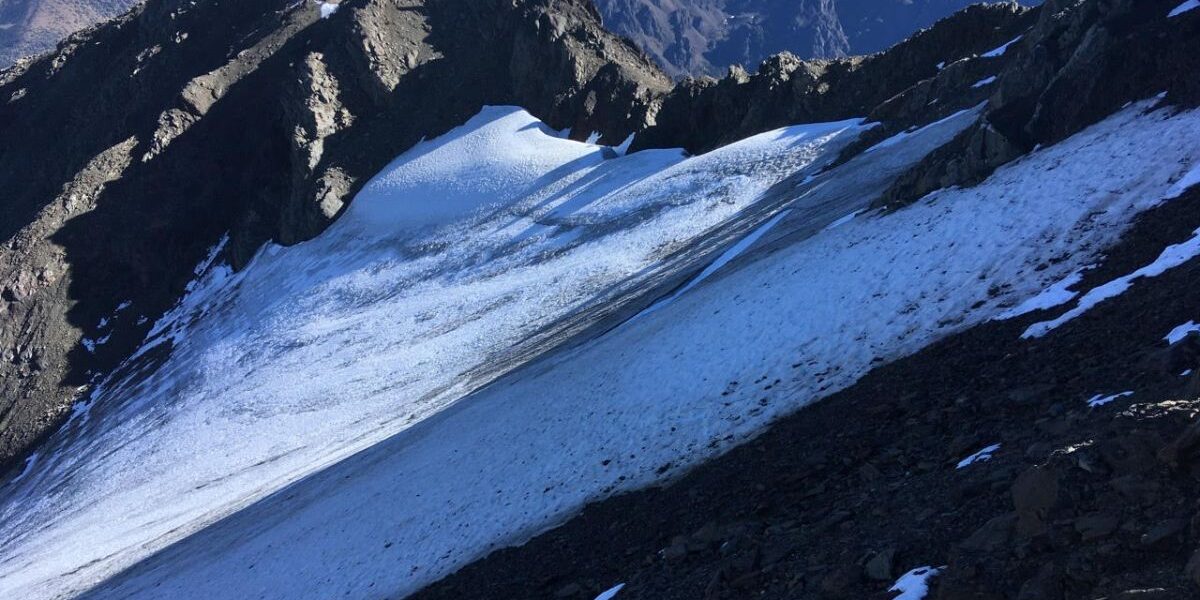
As of March 13, our Olympic snowpack sits at 47 percent of its 20 year average. Unless we have a Miracle March and Amazing April of steady, light rain in the lowlands and steady snow in the mountains, there will be a drought declaration.
But rather than worry, I’ve learned over the last year to think about repair.
Did you know that your small plot of land can be part of the climate solution?
It was through Local 20/20’s partnership with the Global Earth Repair Foundation’s Climate Film series that I learned how both the boreal forest and the temperate rain forest we live alongside generate rain. I learned how we humans have destroyed one-third of the Earth’s previously existing biosphere, and I learned about the yard-by-yard repair work being done around the globe by individuals seeking to repair their own local ecosystem. Folks aren’t waiting for government solutions or political decisions; ecosystem restoration work is being done by individuals with hand tools in every possible climate.
It starts by understanding how a forest creates rain. There’s a simple video called How Trees Bring Water on the Local 20/20 Water Resources website that explains the underlying principles. (L2020.org/water)
My family moved to our house a decade ago. The house came with mid-sized, non-native trees and some understory shrubs. One of the first things we did was turn off the sprinkler system installed by the previous owner. Using expensive processed city water for a yard felt wasteful to me, and I wanted to see what was possible without it. We watched what plants grew and what plants died, letting the garden determine its own course.
Over time, I added ground-covering evergreens, giving us a residential-scale triple canopy. Any drop of rain falling on the yard will hit a plant somewhere, and any fog drifting in off the water will get likewise captured. This moisture stays in the soil longer, even in dry times, because layers exist to protect it from evaporation.
But the crispy dryness of the drought last summer made me realize I needed expert help.
One local expert loaned me Brad Lancaster’s much-coveted book “Rainwater Harvesting” and showed me how to trace the gutter systems on the house and the contours of the yard, making sure the rain goes to the best possible places. The moisture-preserving techniques developed for the American Southwest are well-suited for a PNW summer.
Another expert gave me recommendations for drought-resistant native plants. Her recommendations got planted this winter following the water paths I’ve created by positioning the gutter downspouts a little differently.
In the still damp days that remain this spring, think about what changes you might make in your own yard to better match the long-drought summers we’re facing. What plants do you have that need supplemental summer water, and what could you plant instead? Do you really need that expanse of lawn and if so, where are the downspouts from your gutter? How might the condensation on your roof each morning help sustain the dry places in your yard?
Resources exist to help you on your journey to a more sustainable relationship with water. You could pick up a copy of Brad Lancaster’s book, talk with the regenerative garden experts who regularly have booths at the Jefferson County Farmer’s Markets, or register for this May’s Global Earth Repair Convergence at Fort Worden and learn from the experts who will gather there.
It’s a slippery slope, paying attention to water. But the first thing you can do is know that your small plot of land can be part of the solution.
Angela Gyurko is a member of the Local 20/20 Steering Council.