

KNOWLEDGE IS KEY FOR ANIMAL SPECIFIC PREPAREDNESS.
When disaster hits, everything does not always go as planned and, sadly, casualties happen. With this in mind, it is important to be prepared and ensure your horse, livestock, farm and or business has an emergency preparedness plan.
Individuals are strongly advised to develop their own comprehensive emergency plans based on their location, property, types and numbers of animals.
(content adapted from: LA County Animal Care and Control)
Location, Location, Location!
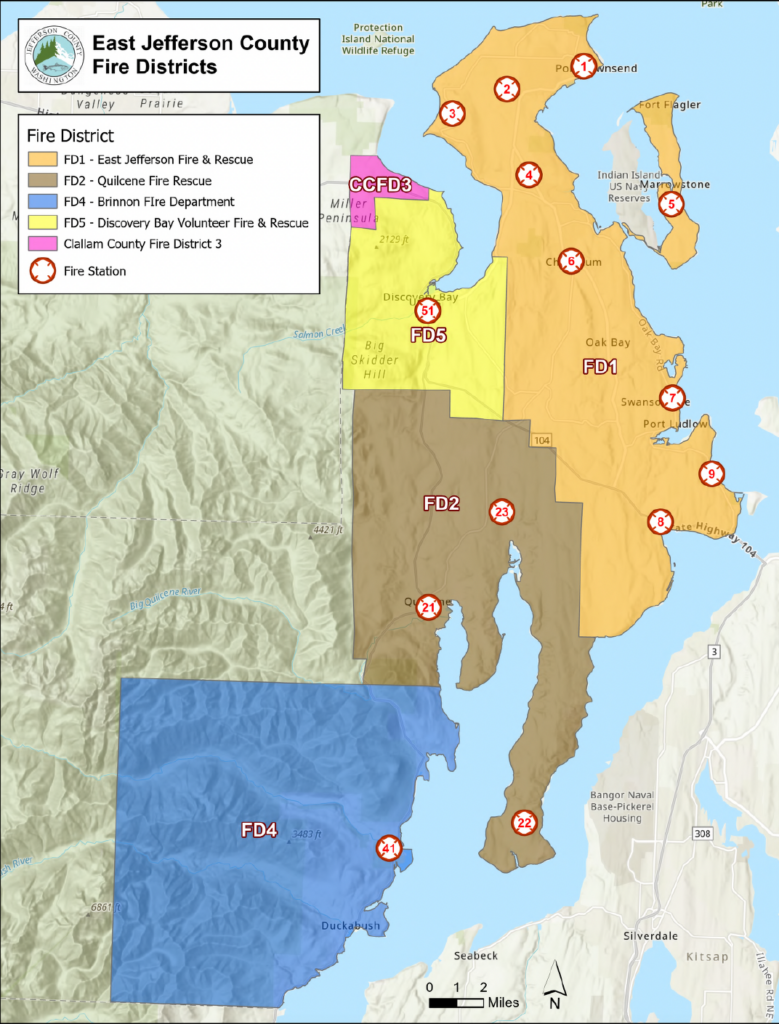
Please consider how the Peninsula we live on has limited single highway access, with geography for potential road closures (including mudslides or fallen trees), it is essential to plan alternative routes.
Buddy Up! Nurture a barn friend or buddy you can pair with and go to their location with your animals and them to yours. Establish safe havens in case an evacuation beyond the Hood Canal Bridge happens.
Stay Informed: Watch for Jefferson County safety alerts on NIXLE and local radio KPTZ 91.9 and KROH 91.1, broadcasting directives and updates. Action: Always follow police/fire instructions. Prep: Prepare a 7-10 days of food, IDs, and “Grab & Go” Kits for you and your animals.
Buddy System
Nurture a buddy system with other horse owners, for reciprocal evacuation sites. Identify individuals who can handle your animals in the event you are not at home. Provide them with a means of access if your property is locked, and a liability release.
Prepare & Plan
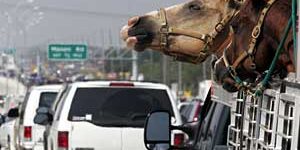
Prepare to evacuate and go at a LEVEL 1 warning especially with large animals. Crowded roads can trap trailers, or evacuation areas that may interfere with emergency response vehicles.
Have a plan, have out of area contacts, map out routes, (backup route too) especially if you have large animals which take time to pack up and load up, haul to another location, ensuring you have food & supplies for 7-10 days, Pack Med kits, IDs & Equine go bags. Via emergency radio listen to DEM authorized communications on evacuation routes.
Again, Evacuate Early
Gather and begin packing and assembling items to react to Evacuation Warning (LEVEL 1) — you do not have to wait for an Evacuation Order. When the Fire Department issues an Evacuation Warning it means that the area is under threat. It is vital for horses to be evacuated early from threatened areas so horse trailers do not interfere with emergency response vehicles.
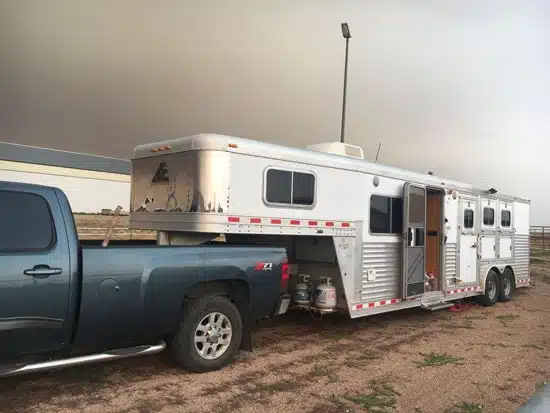
Safely Transport: Ensure your truck and trailer are in good operating order and your horse will load well even at night! Practicing routinely will save you time and anxiety during an event. It will not be useful to call someone to help evacuate your horse if it cannot be loaded into a trailer reliably. You can check with the Fire Department on the clearance regulations for Sheltering-in-place if this is the case.
To Go Bag Preparation: Each family member and animal should be equipped with a to-go bag containing 7-10 days’ worth of food, water, clothing, essential documents, and cash.
Shelter-in-Place Preparation: Given the Peninsula’s isolation and reliance on food and supplies from the Hood Canal Bridge or U.S. Highway 101, it is crucial to stockpile a minimum of 1 month’s worth of food for each family member and animal if sheltering in place.
Think, Plan, Do, Repeat, Jefferson County Department of Emergency Management
“If there is a threat to public safety, Jefferson County residents will be advised of any potential hazards and the possible need to evacuate. Follow directions given by law, fire or the Department of Emergency Management. Plan ahead with an evacuation list, Grab & Go Kit(s), and food for your kit”