
Tips on what to do before an event
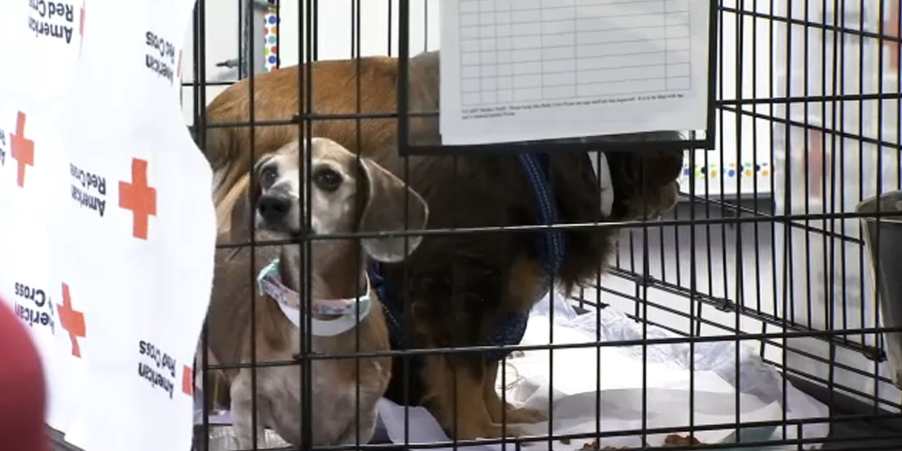
- You will need a pet carrier that allows your pet to stand up and turn around inside. Put familiar items such as the pet’s normal bedding and favorite toys inside. Train your pet to become comfortable with the carrier. One pet per carrier for safety.
- Contact your local animal shelter, humane society, veterinarian or emergency management office for information on caring for pets in an emergency. Find out if there will be any shelters or veterinarians set up to take pets in an emergency.
- If any of your pets are on medication or a special diet, find out from your veterinarian what you should do in case you need to do without for several days. Try to get an extra supply of any medications.
- Make sure your pets have properly fitted collars with their current license and rabies tags, and identification tag with your name, address, telephone number and alternative contact information.
- Make certain your pet’s shots are current and know where the records are kept.
- Have current photographs, of both you and your pets in the same photo for identification and proof of ownership, with written descriptions of pets available.
- Contact motels and hotels in communities outside of your area and find out if they will accept pets in an emergency.
- Micro-chip your pets; it is their ticket home if they ever are lost and without their collars.
(Text adapted from: FEMA and HSUS)
Stay Informed: Watch for Jefferson County safety alerts on NIXLE and local radio KPTZ 91.9 and KROH 91.1, broadcasting directives and updates. Action: Always follow police/fire instructions. Prep: Prepare a 7-10 days of food, IDs, and “Grab & Go” Kits for you and your animals.
During an event
- Bring your pets inside immediately.
- Animals have instincts about severe weather changes and will often isolate themselves if they are afraid. Bringing them inside early can stop them from running away. Never leave a pet tied up during a storm.
- Separate dogs and cats. Keep small pets away from cats and dogs. Even if your pets normally get along, the anxiety of an emergency situation can cause pets to act irrationally.
- If you evacuate with your pets, remember to bring your pets’ medical records and medicines with your emergency supplies.
- Birds must eat daily to survive; having their familiar food for them is very important. Make sure that your bird is caged and the cage is covered by a thin cloth or sheet to provide security and filtered light.
Tips on what to do after an event
- If after a disaster you have to leave town, take your pets with you. Pets are unlikely to survive on their own.
- In the first few days after the disaster, leash your pets at all times when they go outside. Always maintain close contact. Familiar scents and landmarks may be altered and your pet may become confused and lost.
- Until you return home leash your pets, unless you have a very secure, high fenced in yard for dogs. In unfamiliar situations, all animals can be very unpredictable and spook easily.
- Also, snakes and other dangerous animals may be brought into the area with floods. Downed power lines are a hazard.
- The behavior of your pets may change after an emergency. Normally quiet and friendly pets may become aggressive or defensive. Watch animals closely. Avoid allowing strangers to approach or pet your animals during emergencies unless they are Shelter staff. During these crisis times, pets can become very defensive.

Further information can be found at: https://www.ready.gov/sites/default/files/2023-06/ready.gov_prepare-pets-for-disasters.pdf
https:/www.redcross.org/get-help/how-to-prepare-for-emergencies/pet-disaster-preparedness.html
Companion video on YouTube: https://www.youtube.com/watch?v=aUbSF_S20bE
(Text adapted from: FEMA and HSUS)